

ALD-52 | What Is ALD-52
Buy ALD-52 (1-Acetyl-LSD) is a psychedelic compound belonging to the lysergamide family, closely related to LSD (Lysergic Acid Diethylamide)
ALD-52 Dosage and Use
Because ALD-52 is potent even in microgram quantities, it should be approached carefully.
Typical ALD-52 dosage ranges:
Microdose: 10 to 20 µg (for focus and creativity)
Standard dose: 75 to150 µg (for full psychedelic effects)
High dose: 200+ µg (for intense, immersive experiences)
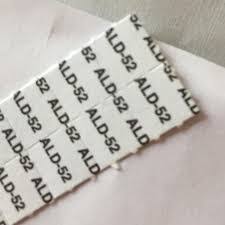
ALD-52
ALD-52, also known as 1-Acetyl-LSD or 1-Acetyl lysergic acid diethylamide, is an LSD-class psychedelic compound.
Health Canada identifies 1-Acetyl LSD (ALD52) as a hallucinogen in the lysergic-acid/LSD class and describes it as an analogue of LSD associated with psychedelic effects resembling those of LSD.
Product Details
Product Name: ALD-52
Alternative Name: 1-Acetyl-LSD
Chemical Class: Lysergic acid / LSD class
Pharmacological Class: Hallucinogen
CAS Number: 3270-02-8
Molecular Formula: C₂₂H₂₇N₃O₂
The U.S. FDA’s Substance Registration System lists ALD-52 and 1-Acetyl-LSD among its recognized names and identifies its molecular formula as C₂₂H₂₇N₃O₂.
Product Characteristics
ALD-52 is a distinct chemical compound within the lysergic-acid/LSD class.
The name 1-Acetyl-LSD describes its chemical relationship to LSD. ALD-52 should not simply be treated as another name for LSD itself.
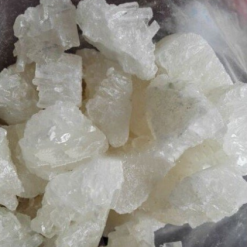
Physical appearance alone cannot establish the identity, purity, concentration, or composition of an unknown chemical sample.
Classification
Health Canada places ALD-52 within the hallucinogen — lysergic acid (LSD) class in its published new psychoactive substances information. The same source describes ALD-52 as an LSD analogue associated with psychedelic effects resembling those of LSD.
General Product Information
ALD-52 is also identified in U.S. government substance-registration records under names including:
- ALD-52
- 1-Acetyl-LSD
- 1-Acetyl lysergic acid diethylamide
- Acetyl lysergide
These names refer to the same registered substance.
Safety Note
ALD-52 belongs to the psychedelic/hallucinogen class. Health Canada describes LSD-class substances as capable of producing psychedelic effects and notes that new psychoactive substances can have limited available safety information.
The appearance or labeling of an unknown chemical should not be treated as laboratory confirmation of its identity or purity.
Regulatory Information
Regulatory treatment of ALD-52 can vary by jurisdiction and can change over time.
Health Canada’s 2022 publication listed 1-Acetyl LSD (ALD52) as “Not controlled” in its table of new psychoactive substances. That publication should not be treated as a guarantee of the current legal status of ALD-52, particularly because Canadian controlled-substance regulations have subsequently changed and continue to be updated.
For a current determination, consult the applicable Canadian legislation or Health Canada’s Office of Controlled Substances.
Frequently Asked Questions
What is ALD-52?
ALD-52 is a chemical compound also known as 1-Acetyl-LSD. Health Canada classifies it within the hallucinogen/lysergic-acid LSD class.
Is ALD-52 the same as LSD?
No. ALD-52 and LSD are distinct chemical compounds. ALD-52 is described by Health Canada as an analogue of LSD.
What is another name for ALD-52?
ALD-52 is also known as 1-Acetyl-LSD and 1-Acetyl lysergic acid diethylamide.
What is the molecular formula of ALD-52?
The molecular formula listed in the U.S. FDA Substance Registration System is C₂₂H₂₇N₃O₂.
What class does ALD-52 belong to?
Health Canada places ALD-52 in the hallucinogen, lysergic-acid/LSD class.
Is ALD-52 legal in Canada?
Do not rely on a generic “legal” or “illegal” label without checking the current Canadian regulatory framework. Health Canada’s 2022 NPS table listed ALD-52 as not controlled at that time, but that is a historical snapshot.
Be the first to review “Buy ALD-52”
Related products


LSD for sale



Reviews
There are no reviews yet.